COIL Implementation in

Dr. Lau Chaak Ming
ENG3346 English as a Global Language

As part of the Collaborative Online International Learning (COIL) initiative at The Education University of Hong Kong (EdUHK), Dr. Lau Chaak Ming contributed a two-hour session on Intercultural Communication to the Global Media course, a fully integrated, multi-institutional virtual exchange hosted by the University of Lapland, Finland, in September 2025. The course brought together students from Finland, Brazil, South Korea, Italy, Japan, and Hong Kong in a shared virtual classroom, with the entire 21-hour curriculum co-taught by an international team of instructors from these same countries. Dr. Lau co-delivered his session with Dr. Youngsang Kim (Sungkyunkwan University, South Korea), introducing students to key concepts in intercultural communication with a focus on how language, pragmatics, and cultural norms shape interaction in digitally mediated environments. This collaboration serves as an exemplar of how COIL can enable individual faculty contributions within a broader, programme-level international course—demonstrating a scalable model for global, collaborative, and digitally mediated learning.

Collaborative Teaching in a Global Classroom

As an integrated member of the international teaching team, Dr. Lau Chaak Ming co-delivered a two-hour session on Intercultural Communication with Dr. Youngsang Kim from Sungkyunkwan University, South Korea, on 4 September 2025, as part of the Global Media course hosted by the University of Lapland, Finland. The session introduced students to key concepts in intercultural communication, with particular attention to how language, pragmatics, and cultural norms shape interaction in digitally mediated environments. Drawing on Dr. Kim’s research in human-computer interaction and culturally sensitive design, and Dr. Lau’s expertise in computational linguistics and digital humanities, the lecture bridged theoretical frameworks with practical applications in global media contexts. Students were encouraged to examine how communication styles vary across cultures and how such differences manifest in both face-to-face and technology-mediated settings. This session was not a standalone event but a fully integrated, team-taught curriculum, reflecting the course’s commitment to embedding diverse international perspectives throughout the entire learning experience.

Thursday, 4th September 2025   

Introduction to the Course

Dr. Satu-Maarit KORTE

University of Lapland, Finland
Intercultural Communication

Dr. Chaak Ming LAU

The Education University of Hong Kong
Dr. Youngsang KIM

Sungkyunkwan University, South Korea

Thursday, 11th September 2025   
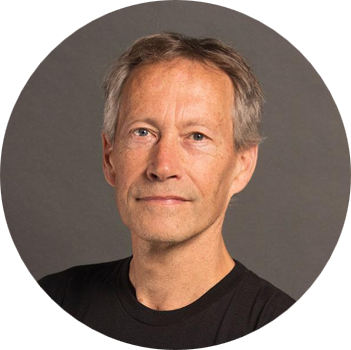
A Vaccine Against Fake News (Workshop)

Dr. Manfred BECKER

York University, Canada

Thursday, 18th September 2025   
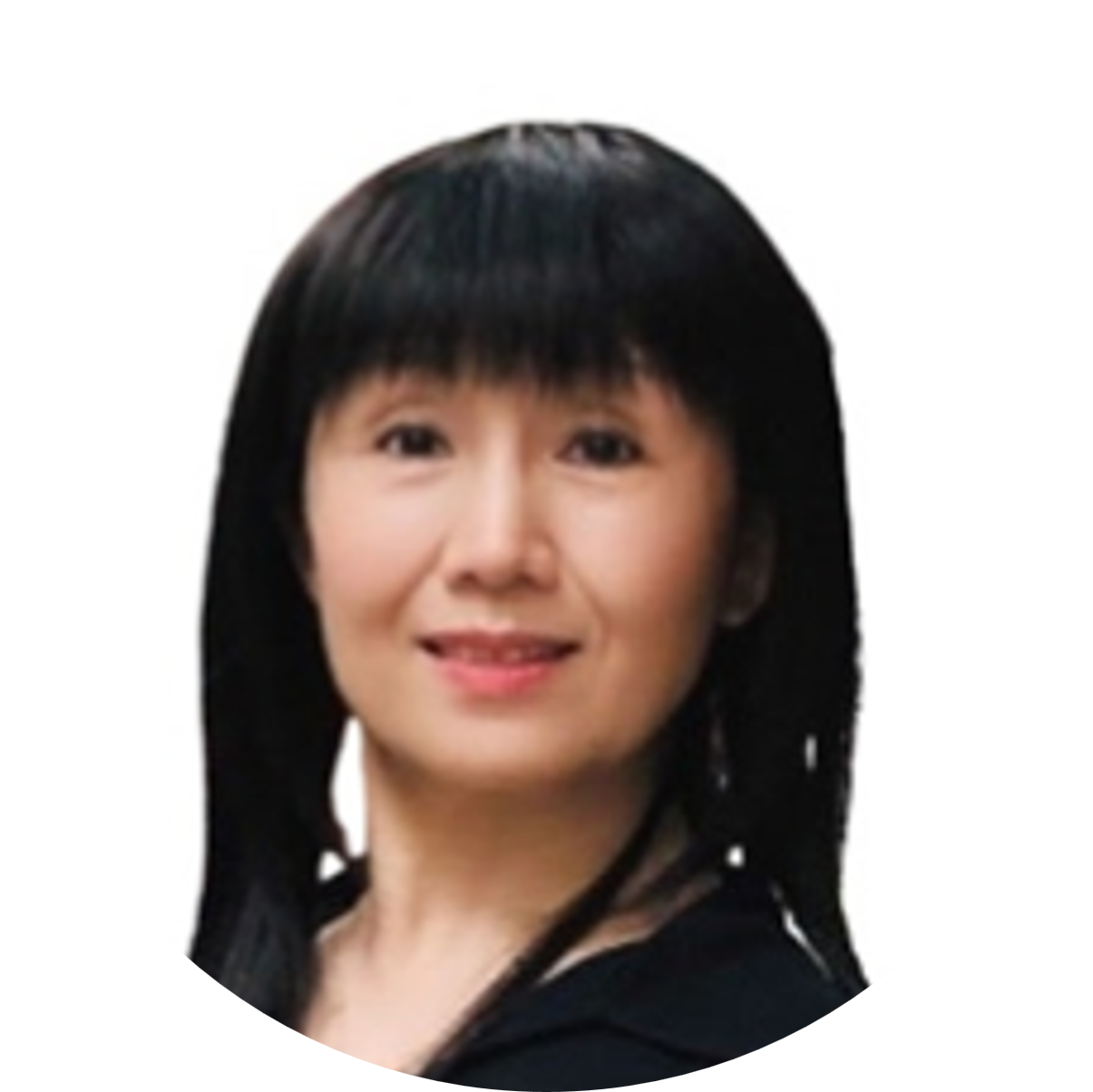
Metaverse and Emocare Application

Prof. Yanjie SONG

The Education University of Hong Kong
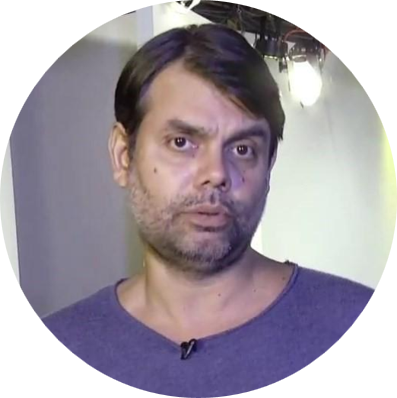
African and Brazilian Views

Dr. Agnaldo ARROIO

University of São Paulo, Brazil

Assignment Support & Q&A

Dr. Satu-Maarit KORTE

University of Lapland, Finland

   Wednesday, 10th September 2025
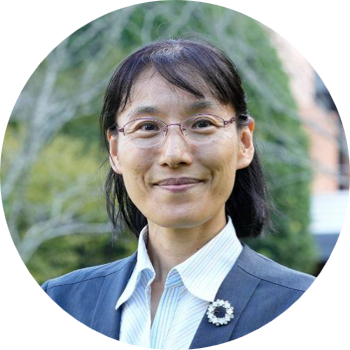
Origami and Japan Media Context

Dr. Junko ISHIZAWA

Shirayuri University, Japan

Digitalising Reindeer Herding Vocational Training

Dr. Satu-Maarit KORTE

University of Lapland, Finland
Educational Games

Dr. Giulia CONTI

University of Modena and Reggio Emilia, Italy

Dr. Satu-Maarit KORTE

University of Lapland, Finland

   Wednesday, 17th September 2025
Minority Cultures, Minecraft, and Green Transition

Dr. Rauni Ääelä-Vihriälä

University of Lapland, Finland
Digital Storytelling

Dr. Shurui BAI

The Education University of Hong Kong

   Thursday, 25th September 2025
Playful Learning and Digital Literacies

Dr. Marjaana KANGAS

University of Lapland, Finland

Minority Cultures, Minecraft, and Green Transition

Dr. Rauni Ääelä-Vihriälä

University of Lapland, Finland
Philosophies of Critical Thinking

Dr. Yulong LI

The Chinese University of Hong Kong, Shenzhen, China

“Philm Fest” (Presentation of Student Films)

Reflection and Evaluation

Dr. Lau Chaak Ming’s reflection on his COIL experience:

For the past three years, I have had the privilege of contributing to the Global Media course, an initiative organized by the University of Lapland that connects media education scholars worldwide. This project serves as an outstanding example of COIL, bridging students across continents and fostering instructor collaboration through hybrid video-conferencing.
This implementation is special in that the instructors also need to collaborate through online channels. I co-teach the intercultural communication module alongside Dr Youngsang Kim from Sungkyunkwan University, we need to plan our teaching by meeting online. This collaborative format not only exposes students to diverse academic perspectives but also cultivates a vital awareness of cultural nuances. Our subsequent analysis of students’ reflective journals confirms the program’s success, demonstrating that this international mode of teaching significantly enhances their global learning experience.

Students’ reflection on cognitive growth and understanding:

I learned things that I can now use in my further life as a teacher.

I’ve learned so much. For me it would have been a lot easier if there would have been just written learning journal. But then I wouldn’t have learned all these platforms and apps…

Students’ reflection on emotional engagement:

I honestly felt very clumsy and awkward because for the person whose only social media platform is Facebook this was a new world for me.

I was a little scared when I heard that this was our task… However, I tried my very best to make every video a good video.

Students’ reflection on agency and identity:

I want to explore these new technologies while ensuring they serve educational objectives in an ethical and equitable way.

This journey has not only saved my skills as a future [teacher], but also deepened my understanding of myself and my connections with the world around me.

Students’ reflection on self-examination and metacognition:

I needed to google it. So my head was totally tabula rasa like we educators like to think… I understood that I need to open up to new ideas and new platforms.

Making a video after every class was a real challenge for me… But was that a bad thing for a teacher? No, it was very educating.

Students’ reflection on future orientation:

I will definitely use a lot of these things while teaching or in my private life.

I look forward to applying these lessons in my teaching career.