
Dr. Yip Wai Chi Jesse
ENG3340 Spoken and Written Discourse
As part of the Collaborative Online International Learning (COIL) initiative, Mr. Lee Man Hei was invited as a guest lecturer for ENG3340 Spoken and Written Discourse in December 2025. Mr. Lee is an expert in the field of historical discourse analysis and is currently affiliated with The University of Sydney. His lecture, “Historical Discourse Analysis,” introduced students to key frameworks and methods for analysing historical texts and communicative practices. The session included case studies from various periods, highlighting how discourse analysis can be applied to understand language change led by social, political, and cultural factors.
Guest Lecture on Historical Discourse Analysis
In this lecture, Mr. Lee introduced students to foundational principles and methods of historical discourse analysis, with a special emphasis on exploring how Old English in ancient texts can be analysed from a discourse perspective. The lecture began with an overview of approaches for examining both the linguistic features and broader communicative contexts of Old English sources, such as chronicles, legal codes, and epic poetry.
Key questions to be addressed include:
- How do the social, political, and cultural settings of early medieval England influence the language, structure, and purposes of Old English texts?
- What are the unique challenges and opportunities in applying discourse analysis to ancient language data?
- How can we observe changes in discourse practices and genre conventions from Old English to later stages of English?
Mr. Lee illustrated these concepts with case studies from his own research, showing how tools such as genre analysis, intertextuality, and pragmatic analysis can be used to reveal patterns of communication, strategies for conveying meaning, and the construction of identity and authority in Old English discourse. Students also participated in a hands-on analysis of selected Old English passages, applying discourse analytic methods to uncover meaning and structure in these ancient texts.
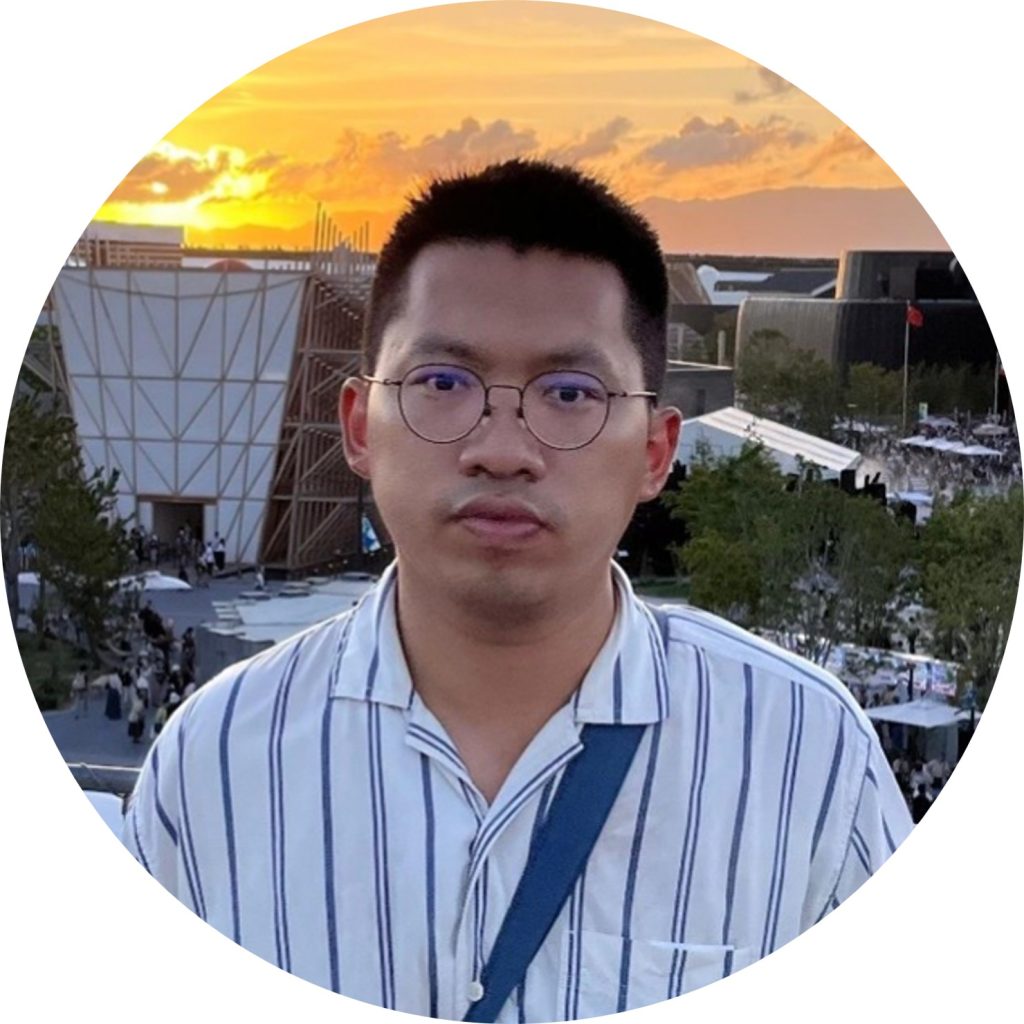
Mr. Lee Man Hei
The University of Sydney
Mr. Lee Man Hei is a PhD candidate at The University of Sydney. His research interests include historical linguistics, language documentation, and corpus linguistics. He has been conducting field research on lesser-known languages in Southwestern China, such as Bai and Caijia. In order to study the relationship between the ancient languages and the modern languages, he also consults corpus data. His findings have contributed to several published articles in journals such as Journal of Historical Linguistics and Bulletin of SOAS.
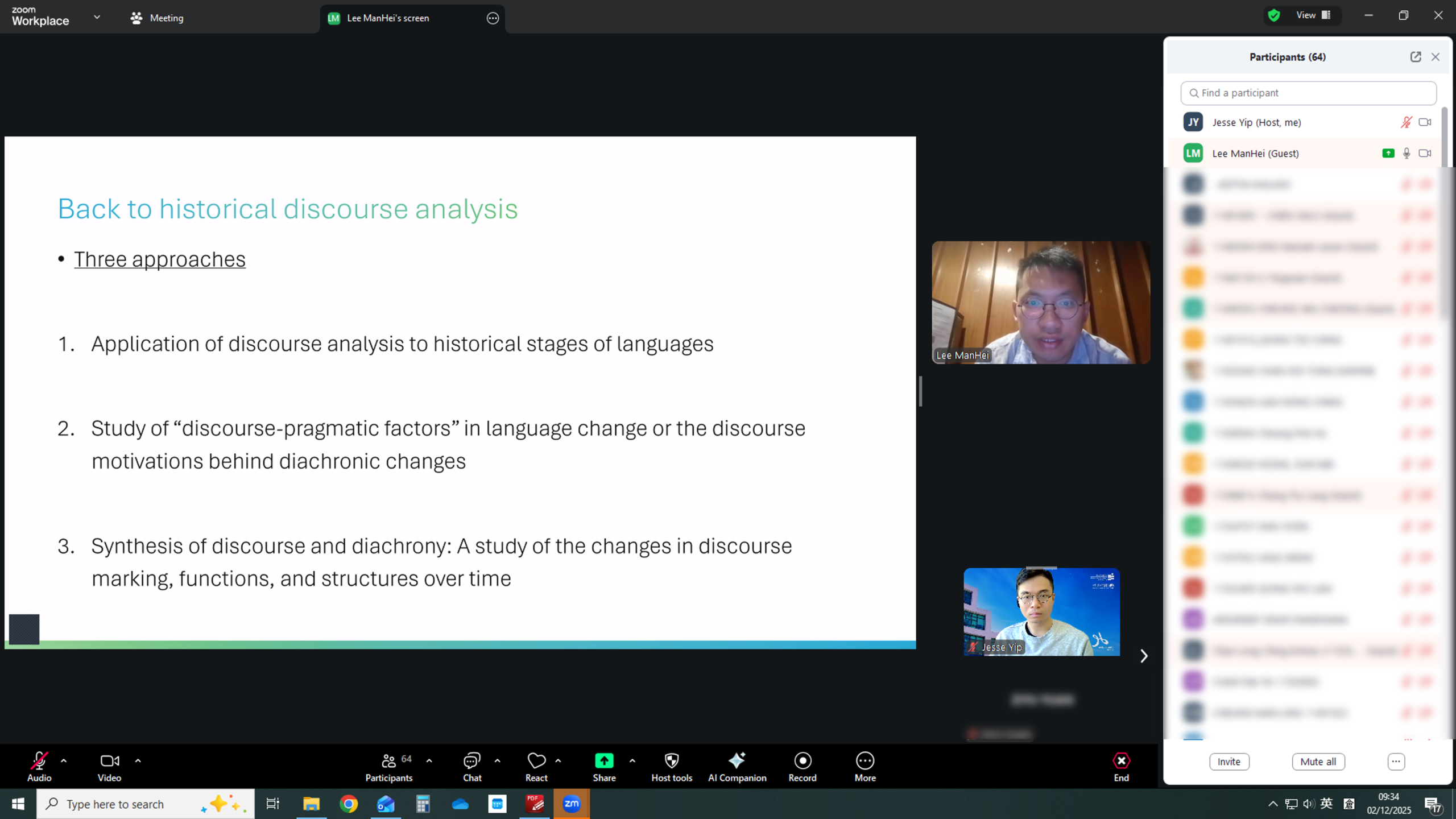
(guest lecture on Zoom)
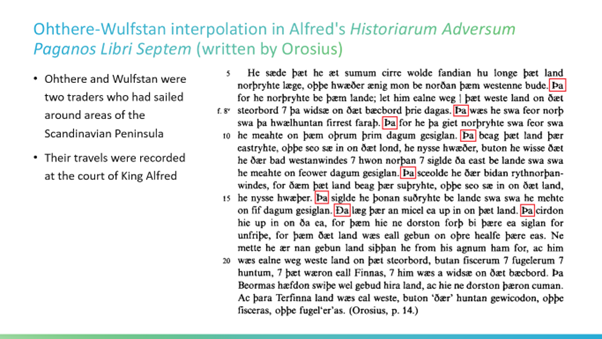
(Mr. Lee’s presentation slides)
Reflection and Evaluation
Dr. Yip Wai Chi Jesse’s reflection on his COIL experience:

By inviting Mr. Lee Man Hei as a guest lecturer to share his expertise on historical linguistics—particularly his approaches to analysing Old English texts—we were able to broaden our curricular horizons and provide students with a truly international academic perspective. The lecture was thoughtfully structured, offering a clear introduction to methods for analysing ancient discourse while contextualizing Old English within its social and cultural environment. The session skilfully balanced theoretical discussion with examples, as students were guided through the analysis of selected Old English passages. This hands-on engagement was especially beneficial, as it allowed students to directly apply discourse analytical approaches to historical texts.
One of the most valuable outcomes of this COIL activity was the way it encouraged students to think beyond the boundaries of contemporary English and modern discourse practices. They learned to appreciate the complexity of ancient texts and the importance of situating language use within its specific historical context. The interactive Q&A segment was lively, with students posing insightful questions about methodology, the evolution of discourse practices, and the challenges of interpreting meaning in texts from distant periods.
Student A’s comments:
I really appreciated Mr. Lee’s clear explanation of how to approach Old English texts. For example, his discussion of word order and formulaic expressions in epic poetry showed me that ancient languages have their own discourse patterns, which can be analysed systematically.
Student B’s comments:
I was impressed by how Mr. Lee demonstrated the role of pronoun use and narrative perspective in constructing authority and identity in Old English chronicles. This made me see how discourse analysis can uncover aspects of historical worldview that aren’t immediately obvious.
Student C’s comments:
I valued the structured approach Mr. Lee offered for analysing unfamiliar genres. His explanation of how to identify discourse markers in Old English texts gave me new analytical tools that I can use in my future studies, even outside this course.
Student D’s comments:
This was one of the most memorable sessions of the semester for me. Learning about the evolution of discourse practices from Old to modern English motivated me to think more critically about language change and its implications for society.